
Menu
We wish to inform you that the World Anti-Doping Agency (WADA) has officially published the 2026 Prohibited List, which will become effective 1st January, 2026. This annual update outlines the substances and methods banned in sport, and it is essential that all athletes and their support personnel review the list thoroughly to ensure continued compliance with anti-doping rules.
For a substance or method to be added to the List, it must meet at least two of the following three criteria:
1. It has the potential to enhance or enhances sport performance
2. It represents an actual or potential health risk to the athlete
3. It violates the spirit of sport
Major modifications for 2026: The 2026 List incorporates major modifications introduced in the 2025 edition, reflecting evolving scientific research, medical practices, and doping trends and these include the following:
· Further examples or clarifications have been added to the following substance classes to help athletes and their entourage better identify prohibited substances:
o S1. Anabolic agents,
o S2. Peptide hormones, growth factors, related substances, and mimetics,
o S4. Hormone and metabolic modulators, and
o S6. Stimulants.
· The dosing intervals of salmeterol have been changed to avoid potential ergogenic effects, though the maximum daily delivered dose remains the same.
· More details have been given about the prohibition of withdrawal of blood and blood components.
· The non-diagnostic use of carbon monoxide (CO) has been added to the Prohibited Methods as a new section, M1.4. The use of carbon monoxide for diagnostic purposes, such as total hemoglobin mass measurements or the determination of pulmonary diffusion capacity, is not prohibited.
· Cell components (e.g., nuclei and organelles such as mitochondria and ribosomes) have been added to the existing prohibition of using normal or genetically modified cells.
· It has been clarified in the Glucocorticoids Washout Table that use of sustained-release formulations may result in detectable glucocorticoid levels past the washout period due to prolonged systemic absorption.
Why This Matters: Understanding the Prohibited List is a shared responsibility. Athletes and their support personnel must remain vigilant about any changes that could affect training, competition, or recovery. Ignorance of the List is not a defense in the event of an anti-doping rule violation. Ultimately, athletes are responsible for prohibited substances found in their body and prohibited methods found to have been used. Athlete support personnel are also liable for Anti-Doping Rule Violations if determined to be complicit. Consequently, if there is any doubt as to the status of a substance or method, it is important that you contact the National Anti-Doping Committee (NADC) for advice.
Where to access the 2026 Prohibited List: The full document, along with explanatory notes and summary of modifications, are available on WADA’s official website: www.wada-ama.org
The Therapeutic Use Exemption Program
It should be noted that athletes who have a legitimate medical reason for using a prohibited substance or method that is on the List can apply for a Therapeutic Use Exemption (TUE) to determine whether they meet the criteria outlined in the International Standard for Therapeutic Use Exemptions (ISTUE). The TUE form can be downloaded from the NADC website https://nadongr.org.ng.
Education Resources: In addition to the documents mentioned above, WADA has provided, or will provide, educational resources as part of its Code Implementation Support Program (CISP), which can be accessed on the Agency’s Anti-Doping Education and Learning Platform (ADEL) at https://adel.wada-ama.org. These resources include:
· A CISP Checklist – Implementing Revised List (available now)
· Athlete and ASP Guide to the 2026 List (to be available mid-December 2025)
We encourage all athletes and their support personnel to stay informed and proactive. Clean sport begins with knowledge and integrity. We must keep Naija Sport CLEAN.
Help us promote clean sports and a doping-free culture amongst Nigeria athletes.


Complete the form below to report a violation.
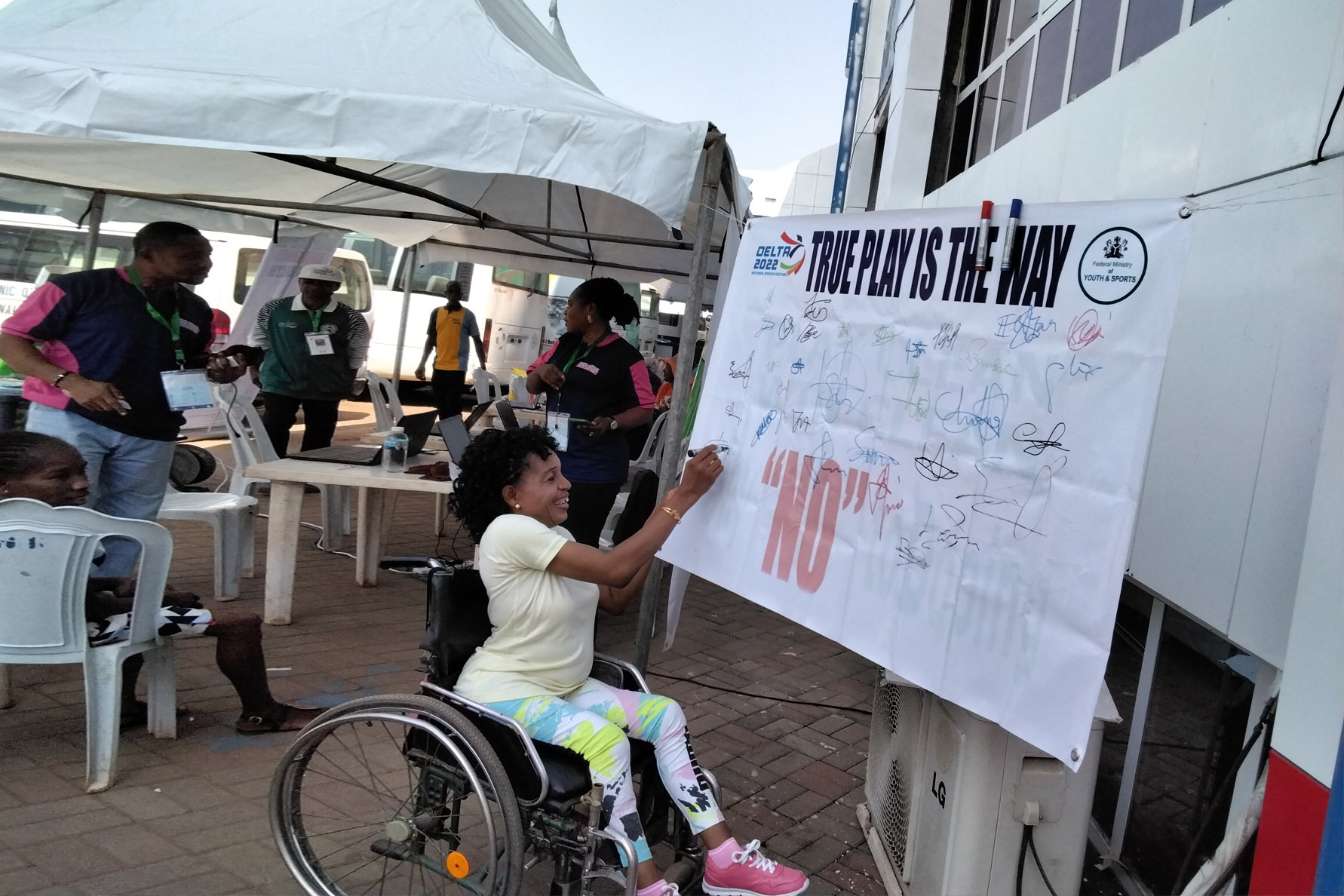

Anti-Doping Education plays a pivotal role in promoting the value of ethics and fair play in sport, thereby protecting the true “spirit of the sport”.
Subscribe to newsletter
© Copyright 2025, All Rights Reserved by Nigeria Anti-Doping Organization.